COWA-Con 2026
Address: 1338 1st Street, Denver 80204.
COWA-Con is a half-day event where attendees can learn about advancements in the industry and how those might impact the way they perform their jobs. It’s an opportunity to hear from experts, learn about industry trends, and get updated on the latest and greatest technologies. And it’s happening at Meow Wolf, one of Denver’s most iconic and unique venues!
Event Schedule:
- 1:00 – 1:15: registration/check-in
- 1:15 – 1:30: Intro (COWA updates, calendar, sponsor recognition, schedule). {Dan McVaugh}
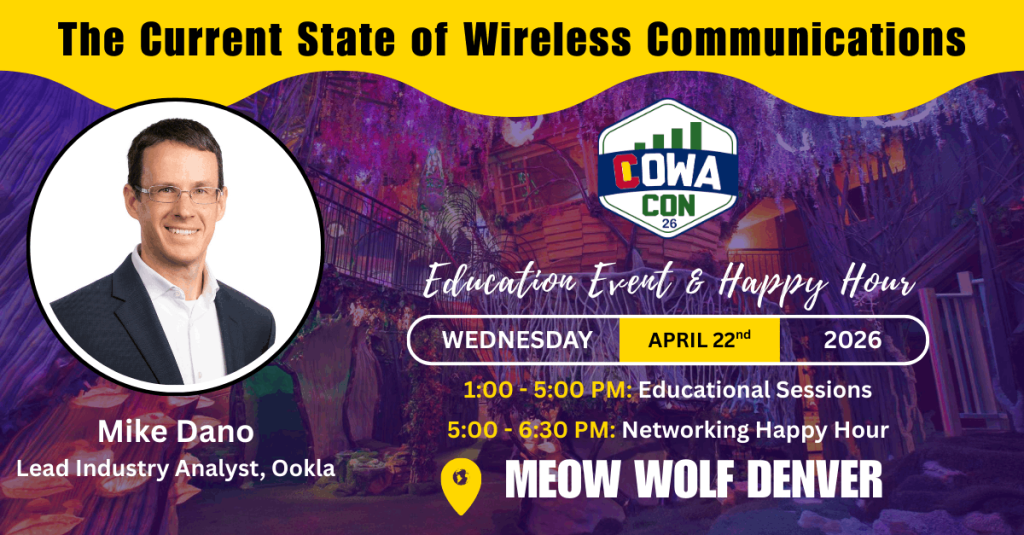
- 1:30 – 2:15: The current state of wireless communications {Mike Dano}
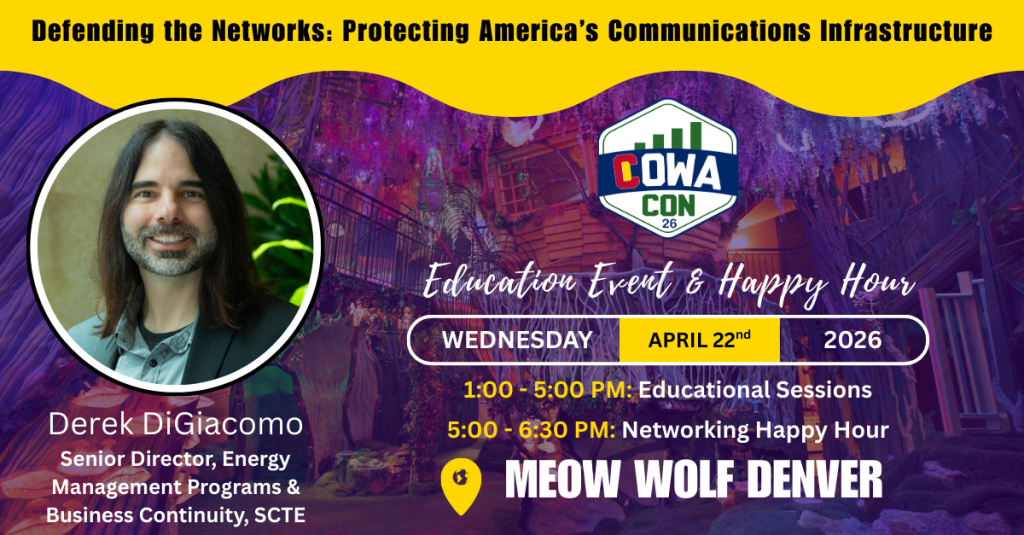
- 2:20 – 3:05: Defending the Networks: Protecting America’s Communications Infrastructure {Derek DiGiacomo}
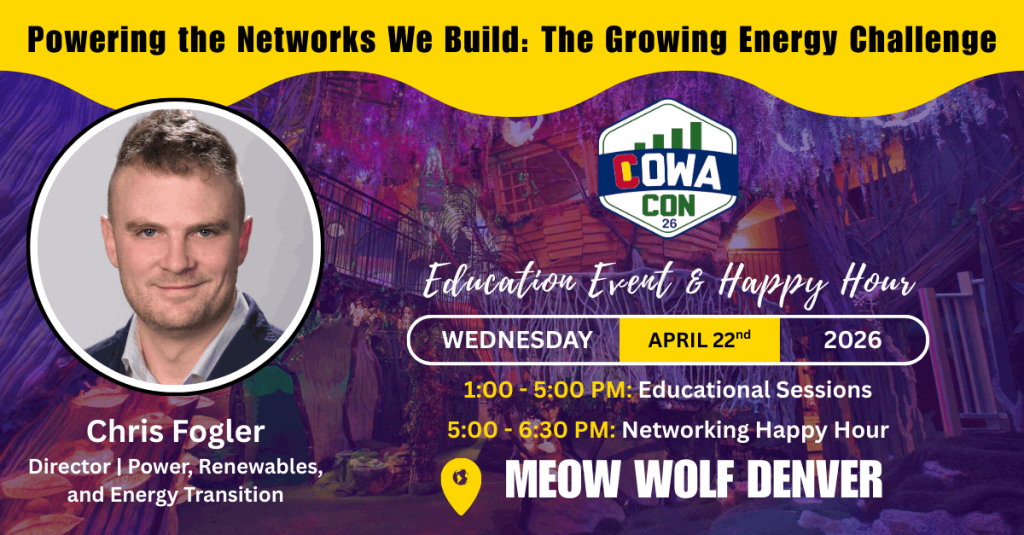
- 3:10 – 4:55: Powering the Networks We Build: The Growing Energy Challenge {Chris Fogler}
- 4:00 – 4:50: The Future of Spectrum & 6G {Mark Poletti}
- 4:50 – 5:00: Wrap Up {Dan McVaugh}
- 5:00 – 6:30: Networking Happy Hour
Mike Dano
Lead Industry Analyst at Ookla
https://www.linkedin.com/in/mikedano/
The wireless industry continues to evolve at a rapid pace. From 5G deployment and spectrum policy to shifting carrier investment strategies and emerging technologies, the forces shaping telecommunications are changing how networks are designed, built, and operated across the United States.
In this session, Mike Dano will provide a high-level briefing on the current state of wireless communications. Drawing on his work analyzing global network performance and industry trends at Ookla, Mike will walk through the key developments shaping the telecom landscape today.
Topics will include the status of 5G deployment and densification, spectrum availability and regulatory activity, carrier capital spending trends, the growing role of fiber and edge infrastructure, and the rise of non-terrestrial networks (NTN)such as low-Earth-orbit satellite systems and emerging direct-to-device capabilities.
Designed for everyone from field technicians and engineers to business leaders and investors, this session will provide a clear and practical overview of where the wireless industry stands today—and what the next several years may hold for those who design, build, and support the networks that keep America connected.
Modern society depends on communications networks for everything from business operations and education to emergency response and public safety. But across the United States, those networks are increasingly becoming targets for theft, vandalism, and other deliberate attacks.
In this session, Derek DiGiacomo will examine the growing threat facing telecommunications and broadband infrastructure and what it means for the resiliency of the networks that communities rely on every day. In his role with Society of Cable Telecommunications Engineers (SCTE), Derek works closely with operators, policymakers, and industry leaders to address risks to critical communications infrastructure.
Recent industry data shows the scale of the problem. Between mid-2024 and mid-2025, more than 15,000 incidents of theft or vandalism targeting communications networks were reported across the United States, disrupting service for more than 9.5 million customers. Copper theft, cable cuts, and other forms of infrastructure damage are increasingly causing outages that can impact homes, businesses, hospitals, transportation systems, and even access to emergency services such as 911.
Derek will discuss how these attacks occur, why they are increasing, and what the industry is doing to respond—from improved physical security and monitoring to new collaboration between service providers, law enforcement, and policymakers. The session will also explore broader resiliency strategies that can help telecommunications providers better protect critical infrastructure and maintain network reliability in the face of growing threats.
For companies that design, build, and operate communications networks, protecting infrastructure is becoming just as important as deploying it. Understanding these risks—and how the industry is responding—will be essential to keeping America connected.
Derek DiGiacomo
Senior Director – Broadband Industry Resilience & Sustainable Energy Strategy
https://www.linkedin.com/in/derekdigiacomo/
Chris Fogler
Director | Power, Renewables, and Energy
https://www.linkedin.com/in/christopher-fogler/
As we build faster networks, larger data centers, and more connected communities, one critical question is becoming harder to ignore: Where will the power come from?
Across the United States, electricity demand is rising rapidly. The growth of EV charging, hyperscale data centers supporting AI, blockchain mining, and digital infrastructure is placing new strain on a grid that was designed for a very different era. At the same time, the energy landscape itself is changing — from coal-to-natural gas conversions and the expansion of wind and solar, to emerging discussions around nuclear, fuel cells, and long-duration storage.
In this session, Christopher Fogler will walk through the recent history of U.S. power generation and grid evolution, explain how economic and regulatory forces are shaping today’s energy mix, and explore what the near- and long-term future may hold. Attendees will gain practical insight into how energy constraints, transmission bottlenecks, financing realities, and policy shifts could impact the industries that design, build, and operate wireless and digital infrastructure.
For those who build networks on the ground — and those who lead the companies behind them — understanding the energy side of infrastructure is no longer optional. It’s foundational.
Spectrum is the invisible foundation of every wireless network, and the decisions being made today about how it is allocated, shared, and standardized will shape the future of connectivity for decades to come.
In this session, Mark Poletti will explore what lies ahead for wireless spectrum and the development of next-generation technologies often referred to as 6G. Drawing on his work at CableLabs, Mark will discuss how evolving spectrum policy, emerging technology standards, and new use cases are influencing the direction of the communications ecosystem.
The conversation will look beyond traditional cellular networks to examine how wireless technologies are increasingly intersecting with other forms of connectivity and infrastructure. Attendees will gain insight into how spectrum strategy, regulatory developments, and evolving network architectures may shape the future of broadband, mobility, and enterprise connectivity.
The session will also examine realistic timelines for future spectrum releases and the early development of 6G technologies, helping attendees understand what changes may emerge later this decade and beyond.
For companies that design, build, and operate communications infrastructure, understanding the trajectory of spectrum policy and next-generation wireless technology is essential to anticipating where the industry is headed and how networks will continue to evolve in the years ahead.
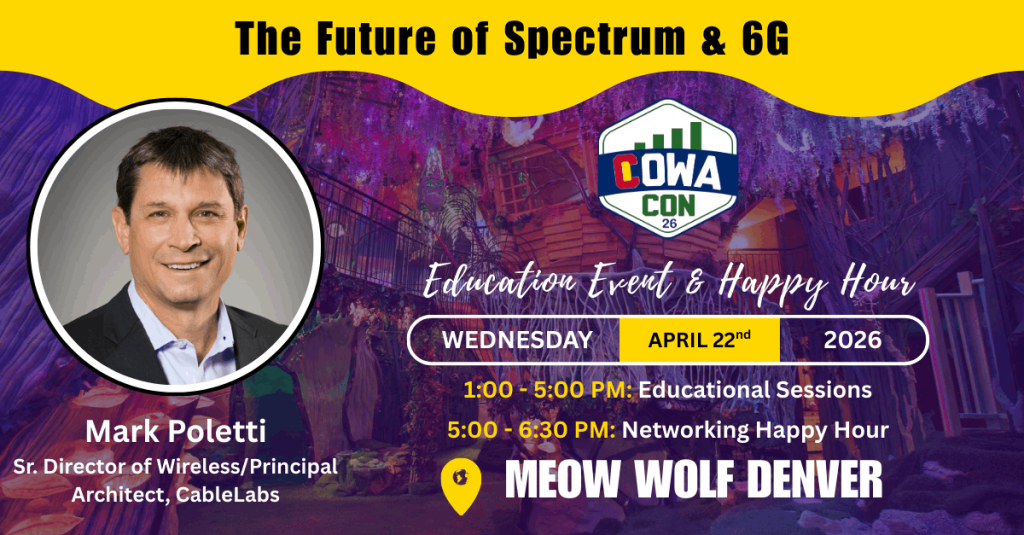
Mark Poletti
Sr Director of Wireless/Principal Architect at CableLabs
https://www.linkedin.com/in/mark-poletti-328295/
Speakers
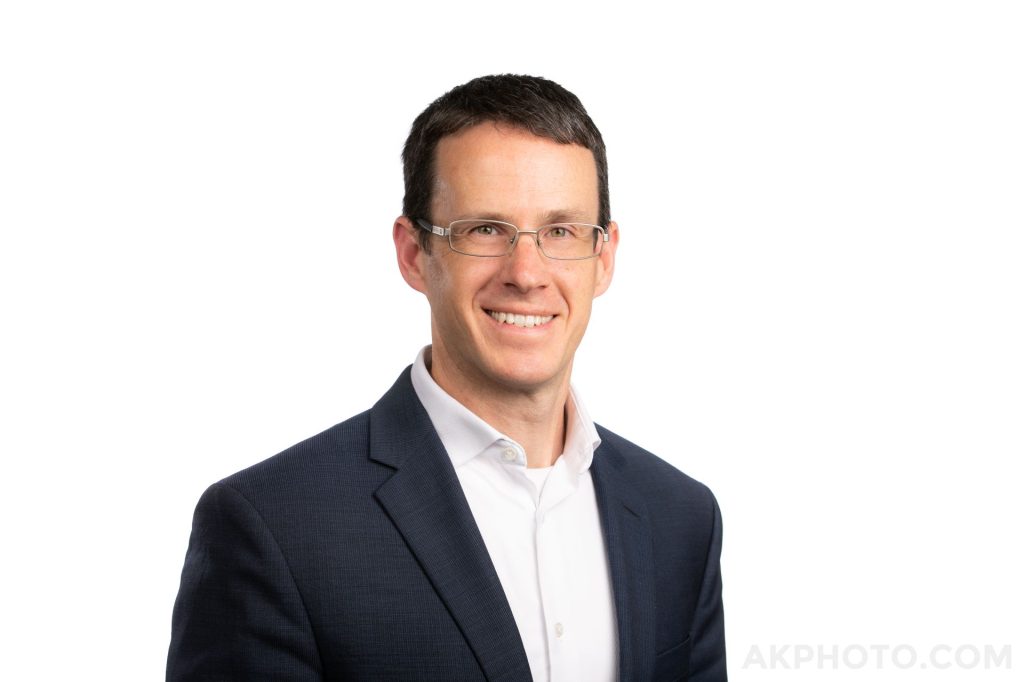
Mike Dano is a Lead Industry Analyst in Ookla’s research and content team. He covers the North and South American markets, and global technology trends. Previously, Mike was a journalist covering the global telecom industry for 25 years at publications including RCR Wireless News, Fierce Network and Light Reading.
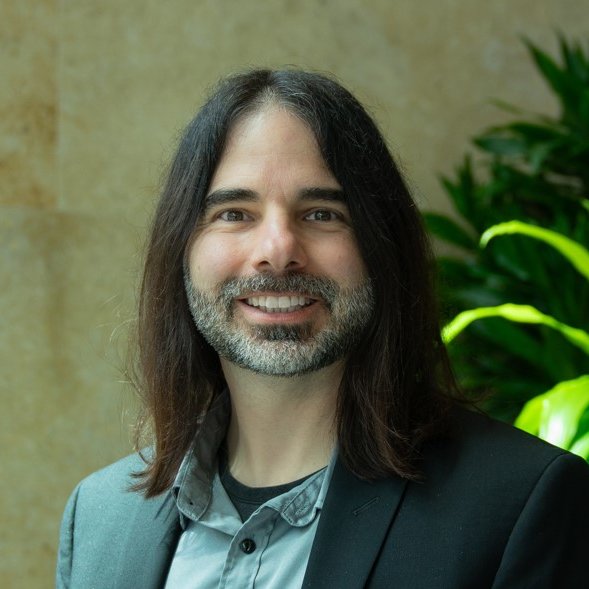
Derek DiGiacomo
SCTE
Senior Director, Energy Management Programs and Business Continuity
With 26 years with SCTE, Derek DiGiacomo has been responsible for the organization’s Energy Management Program, most notably the SCTE Energy 360 program. Energy 360 is an industry-wide effort that set out to help drive sustainability for our broadband networks.
DiGiacomo also is project manager for the Energy Management Subcommittee (EMS) in the SCTE Standards Program. The EMS team is responsible for writing best practices and standards pertaining to energy reduction and system availability; EMS standards address such areas as: Facilities, Fleet, Network Operations; Access Network, Alternative Energy; and Cooling.
Under Derek’s leadership, SCTE has seen a dramatic 50% reduction in the dependency of grid-supplied power at its Exton, PA headquarters. Derek also oversaw installation of a microgrid consisting of hydrogen fuel cell, photolytic system, batteries, natural gas generator and grid that enables SCTE’s critical system to achieve seven plus days of runtime in the event of a grid power interruption.
Finally, in addition to his Energy Management activities, Derek serves as a continuity planning subject matter expert for SCTE on the Network Operations Subcommittee Working Group 3 responsible for Business Continuity. This standards group is responsible under Derek’s leadership for the deployment of the DHS HF SHARES radio program for the cable industry and advocate for preventing cut fiber during disaster response.
He holds a Master’s of Science degree in Telecommunications and Network Management from Syracuse University, is an alumni of the National Renewable Energy Labs (NREL) Executive Leadership Academy Class of 2017 and named to the 2019 Environmental + Energy 100 list.
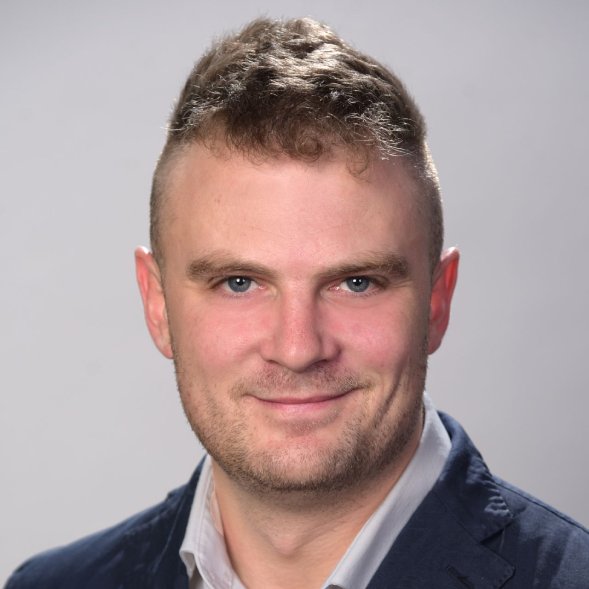
Chris Fogler
Power, Renewables & Energy Transition
Director
Chris Fogler is a Director within FTI’s Power, Renewables & Energy Transition(PRET) practice, part of FTI’s Corporate Finance and Restructuring division. He specializes in financial advisory, risk analysis, and strategic consulting for complex energy and digital infrastructure projects. Supported by a 7+ years of field service background, Mr. Fogler brings hands on energy experience and attention to detail to the advisory he provides.
Mr. Fogler has an extensive track record in analyzing historical, current, and forecasted financial performance for large-scale nuclear and digital infrastructure projects. His work includes conducting comprehensive financial due diligence and risk assessments for advanced nuclear reactor technologies—providing insights into how various technical and regulatory risks may impact project returns and capital allocation decisions. For digital infrastructure, Mr. Fogler supports clients in data center planning and investment analysis, balancing emissions considerations, speed-to-market imperatives, and regulatory frameworks to develop financially resilient and strategically aligned expansion plans.
His experience advising across the lifecycle of nuclear and digital infrastructure projects spans market entry strategy, technology evaluation, and risk mitigation planning. Mr. Fogler has developed financial models that quantify key drivers and uncertainties for advanced nuclear projects, from LCOE validation to scenario-based projections of deployment economics. In the digital infrastructure domain, he has supported clients with competitive benchmarking, regulatory compliance, and supply chain
considerations—enabling them to position data center assets for maximum strategic and financial advantage. His strategic advisory work integrates an understanding of key energy policies like the Inflation Reduction Act helping clients unlock value while meeting environmental and social commitments.
Prior to FTI, Mr. Fogler specialized in field service operations for thermal generation plants. Mr. Fogler spent years training, supervising, and driving crews to provide high quality service and technical support to power providers across the country and abroad. With additional experience in wind turbine, steam turbine and advanced nuclear maintenance and new builds, he has intimate knowledge of legacy power generation as well as low carbon alternatives.
Mr. Fogler holds an M.B.A. and an M.S. in Business Analytics from the University of Colorado, Boulder. His studies focused on the application of Machine Learning and Artificial Intelligence to build actionable, value-creating insights for businesses. His analytical skills are supported by a background in Mathematics from Williams College.
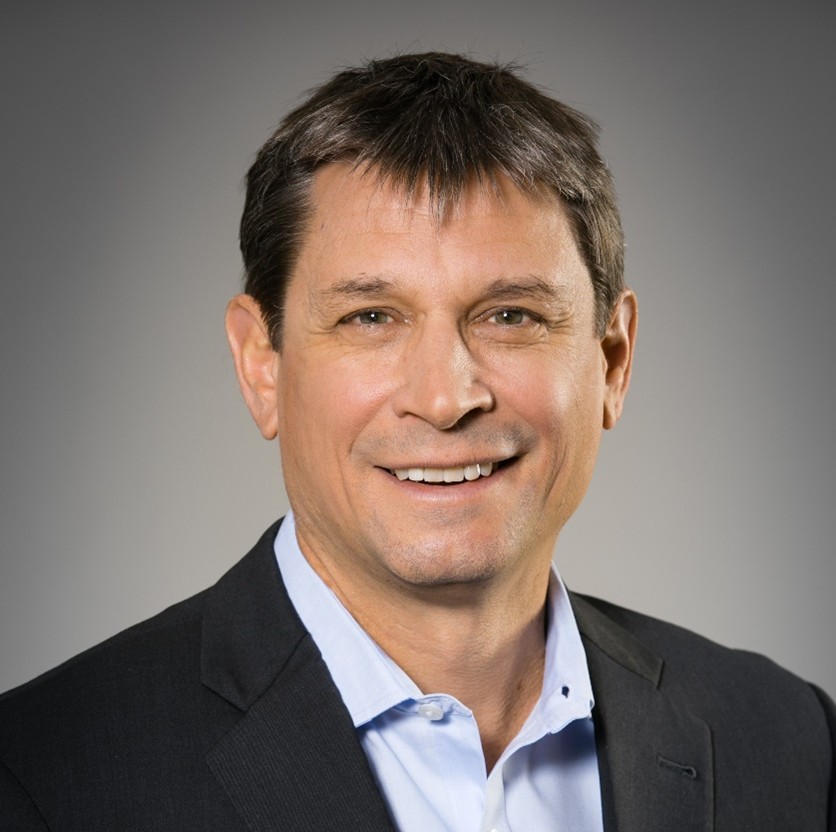
Mark Poletti
CableLabs
Sr Director of Mobile Networks and Principal Architect
Mark Poletti is the Sr Director of Mobile Networks and Principal Architect at CableLabs; a non-profit R&D organization that is dedicated to creating and driving technologies and innovations critical to the cable industry’s technology roadmap, including 5G, 6G, Wi-Fi 8 and spectrum policy. In this role, Mark is responsible for wireless R&D activities across fixed, mobile, and emerging wireless technologies. Mark is active and held various leadership positions in multiple industry standard organizations including the Wi-Fi Alliance, Wireless Innovation Forum, OnGo Alliance, O-RAN Alliance, 6 GHz Multi-Stakeholder Group and several NTIA projects.
Prior to joining CableLabs in 2014, Mark started his career as a systems engineer on NASA satellites for General Electric and spent over 25 years building, managing and operating 2G, 3G and 4G networks for US WEST, T-Mobile, ATECS/Centerline and Clearwire and satellite networks for ViaSat.
Mark holds a M.S in Telecommunications from University of Colorado, B.S. Physics from SUNY Buffalo and has over 15 issued patents and several pending patents.
Sponsorship Opportunities
Presenting Sponsor – $2,500 – 1 Avail.
Networking Reception Sponsor – $1,500 – 1 Avail.
Registration Sponsor – $2,500 – 1 Avail.
Partner Event Sponsor – $250 – 6 Avail.
Sponsors
Partner Sponsors

Exhibitor Opportunities
Multiple spots available
• Your logo in the conference materials & social media blasts concerning the event.
• You will have a space for your booth in the main hall to set up your booth
Spaces:
- Small space – 6’ table included – no power – $500 (1 complimentary registration)
- Medium space – 10’ w/power – $1,500 (2 complimentary registrations)
- Large space – 13’ w/power – $2,000 (2 complimentary registrations)

